Mobility Support Equipment
- Mobility support equipment can enhance safety and independence for seniors.
- Common options include walkers, canes, and grab bars.
- Proper selection and usage reduce the risk of slips and falls.
- Consider the specific needs and living environment of the user.
As we age, maintaining mobility becomes crucial for independence and quality of life. Mobility support equipment can significantly assist seniors in navigating their homes and communities safely. This article outlines various types of mobility aids, their benefits, and essential considerations for selecting the right equipment.
Types of Mobility Support Equipment
| Mobility Aid | Description | Best Uses |
|---|---|---|
| Walkers | A frame that provides support on four legs. | Indoor and outdoor walking support. |
| Canes | A single stick used for balance and support. | Stability when walking, especially on uneven surfaces. |
| Grab Bars | Bars installed in bathrooms and hallways for support. | Getting in and out of the shower or toilet. |
| Wheelchairs | Chairs with wheels for those who cannot walk. | Transporting individuals with limited mobility. |
| Mobility Scooters | Electric scooters for outdoor mobility. | Shopping and outdoor activities. |
Benefits of Mobility Support Equipment
Using mobility aids can provide several benefits, including:
- Increased independence
- Enhanced safety and stability
- Improved confidence in moving around
- Reduced risk of injuries from falls
Enhanced Safety Features

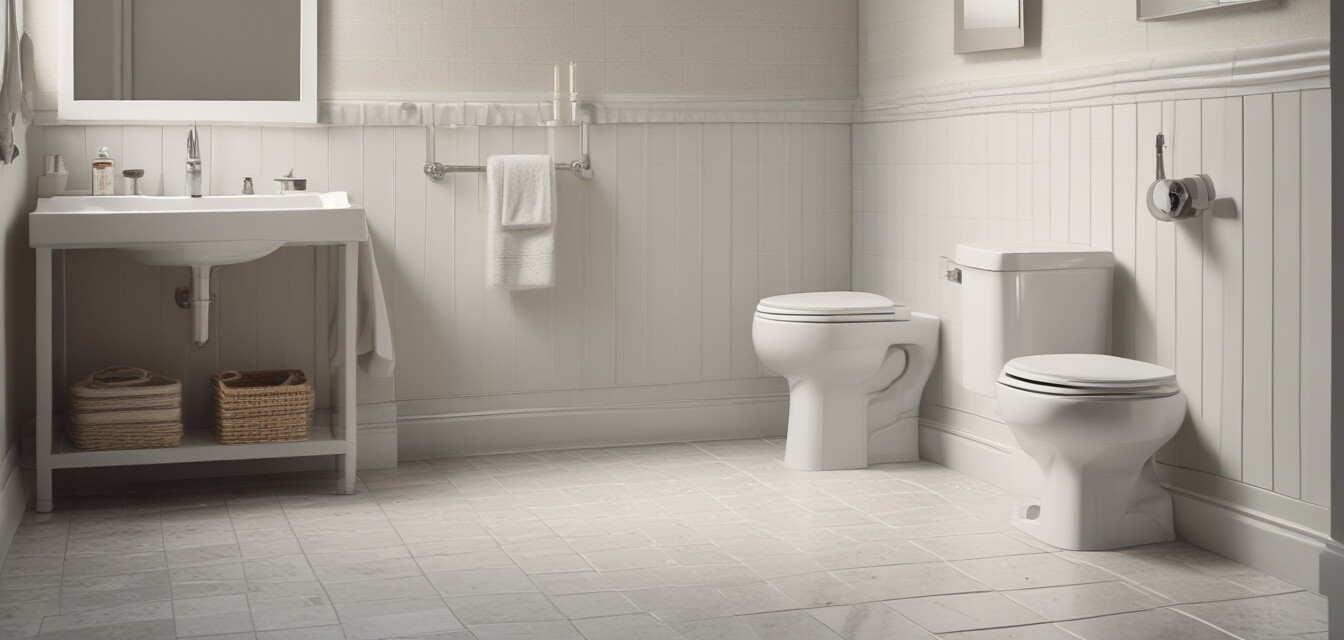
Many mobility aids come with enhanced safety features. For instance, grab bars can be installed in various locations to provide additional support. They are especially useful in bathrooms where slips can occur. Always ensure that grab bars are securely installed for maximum effectiveness.
Choosing the Right Mobility Support Equipment
Selecting the right mobility aid depends on various factors, including the user's specific needs, living environment, and the type of mobility issues they face. Here are some tips to consider:
Tips for Choosing Mobility Aids
- Assess the environment: Look for areas where support is needed most.
- Consult with healthcare professionals for personalized recommendations.
- Consider the user's physical abilities and preferences.
- Test different equipment to find the most comfortable option.
Mobility Aid Comparison
| Mobility Aid | Weight Capacity | Adjustable Height | Portability |
|---|---|---|---|
| Walker | Up to 300 lbs | Yes | Moderate |
| Canes | Up to 250 lbs | Yes | High |
| Grab Bars | Varies by installation | No | Low |
| Wheelchairs | Up to 350 lbs | Yes | Low |
| Mobility Scooters | Up to 400 lbs | Yes | Moderate |
Conclusion
Mobility support equipment plays a vital role in promoting safety and independence for seniors. By understanding the various options available and considering individual needs, families can select the most suitable aids to enhance their loved ones' quality of life. For more information on specific mobility aids, check out our detailed sections on Mobility Aids, Bathroom Safety, and Comfort Items.
Pros
- Increases independence and confidence
- Reduces the risk of falls and injuries
- Enhances mobility in various environments
- Available in various styles and features
Cons
- Initial cost may be high
- Some aids require adaptation and practice
- Storage may be an issue for larger equipment

Investing in the right mobility support equipment is essential for enhancing the lives of seniors. For further insights on related topics, explore our sections on Lifestyle Gadgets and Home Organization. These resources can help seniors and their families create a safer, more functional living space.