Personalized Health Monitors
Key Takeaways
- Personalized health monitors are essential tools for seniors to track vital health statistics.
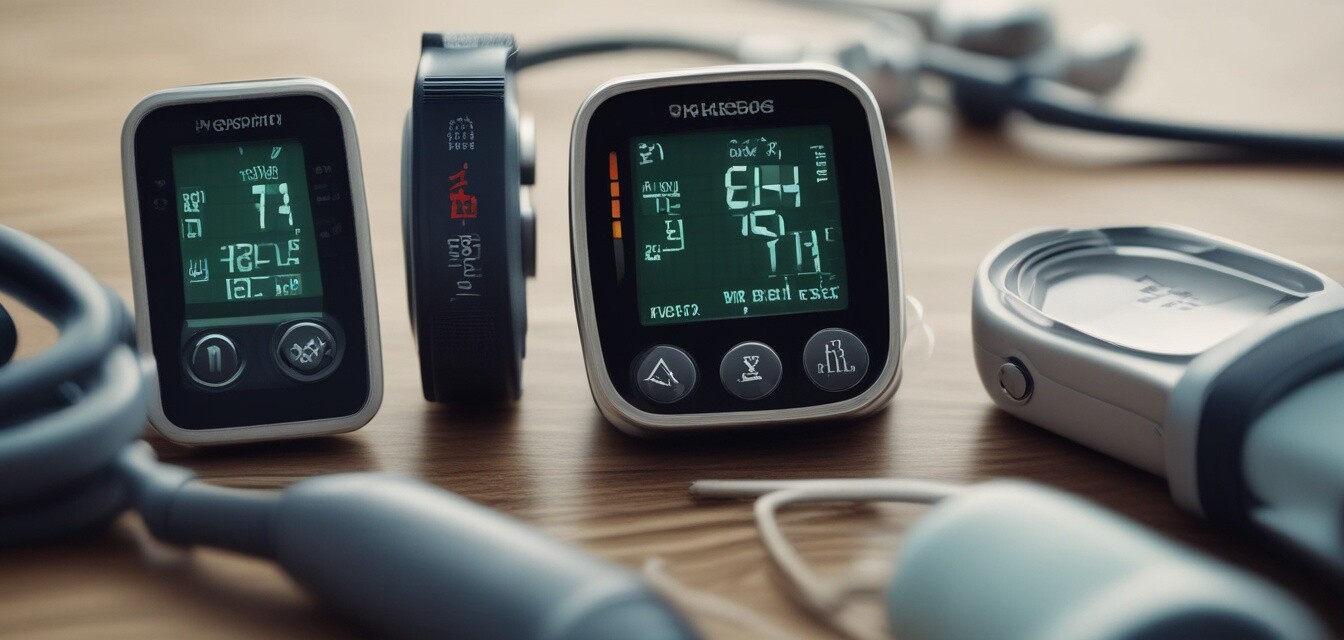
- These gadgets can include blood pressure monitors, heart rate monitors, and more.
- Using technology can enhance the ability to manage health effectively.
- Choosing the right device can improve safety and offer peace of mind for seniors and their families.
As we age, monitoring our health becomes increasingly important. For seniors, personalized health monitors can be a game-changer in maintaining well-being. These devices help keep track of vital statistics, enabling individuals and caregivers to make informed decisions about health management.
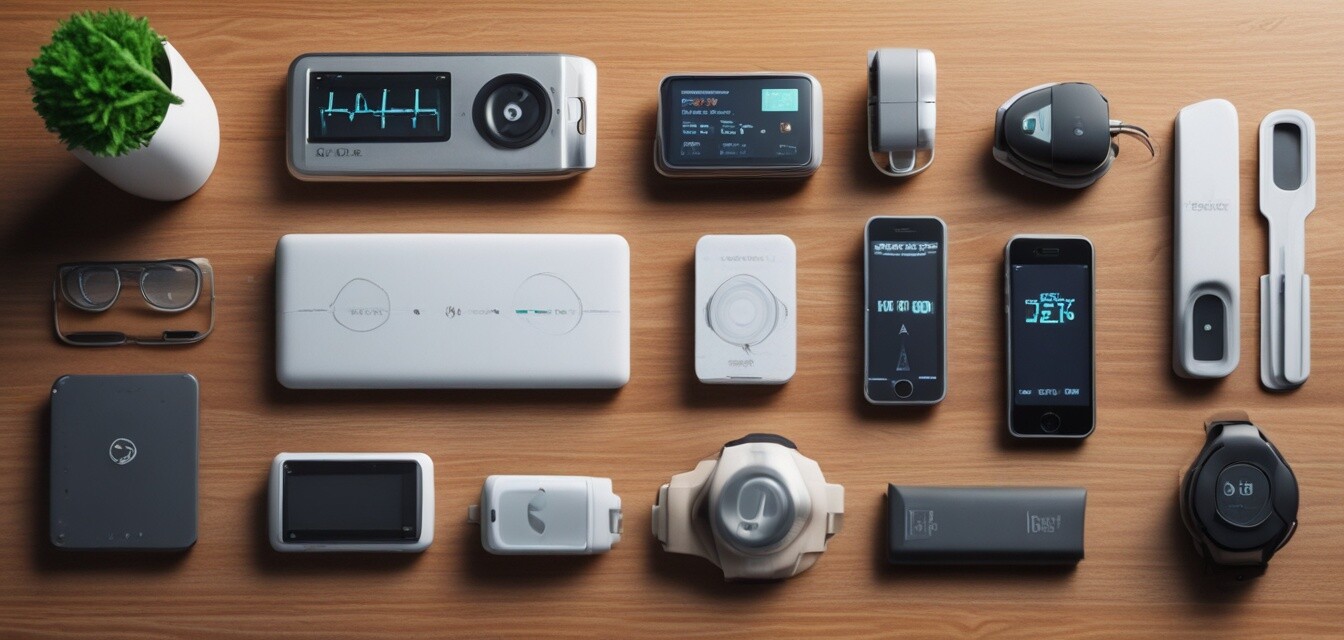
Types of Personalized Health Monitors
| Type of Monitor | Description | Key Features |
|---|---|---|
| Blood Pressure Monitor | Measures blood pressure levels to ensure they remain within a healthy range. | Digital display, memory function, easy-to-use |
| Heart Rate Monitor | Tracks heart rate and rhythm, providing essential data about cardiovascular health. | Wearable, real-time tracking, Bluetooth connectivity |
| Glucose Monitor | Helps manage diabetes by monitoring blood sugar levels. | Fast readings, mobile app integration, alerts for high/low levels |
| Activity Tracker | Encourages physical activity by tracking steps and exercise. | Step counter, sleep tracking, goal setting |
Benefits of Using Health Monitors
Pros
- Empowers seniors to take control of their health.
- Provides valuable data for healthcare providers.
- Encourages regular health monitoring.
- Can alert users to potential health issues early.
Cons
- Some devices can be complicated to use for seniors.
- Cost may be a barrier for some families.
- Dependence on technology may be overwhelming.
Choosing the Right Personalized Health Monitor
When selecting a health monitor, consider the following factors:
- Ease of Use: Look for user-friendly interfaces that are easy to understand.
- Compatibility: Ensure the device can sync with smartphones or tablets if needed.
- Functionality: Choose a monitor that meets specific health needs, whether it’s heart health, blood sugar monitoring, or activity tracking.
- Budget: Determine your budget and weigh the importance of features against cost.
Popular Features in Health Monitors
| Feature | Description | Benefits |
|---|---|---|
| Bluetooth Connectivity | Allows data to sync with apps and devices. | Easy access to health records and statistics. |
| Alert Systems | Notifies users of abnormal readings. | Immediate action can be taken if necessary. |
| Memory Storage | Stores previous readings for comparison. | Helps track progress over time. |
| Mobile App Integration | Works with apps for enhanced tracking. | Provides detailed insights and reminders. |
Best Practices for Using Health Monitors
Tips for Beginners
- Start with one monitor to avoid feeling overwhelmed.
- Read the user manual thoroughly to understand how to operate the device.
- Set reminders to check readings regularly.
- Keep a log of readings to share with healthcare providers.
- Don’t hesitate to ask family or caregivers for help with using the device.
Conclusion
Personalized health monitors are invaluable tools for seniors, enhancing their ability to manage their health and ensuring peace of mind for both them and their families. By understanding the different types of monitors available and how to use them effectively, seniors can take proactive steps towards maintaining their health and well-being.
Explore More
For more information on related products, check out our other categories: