Smart Home Integration for Seniors
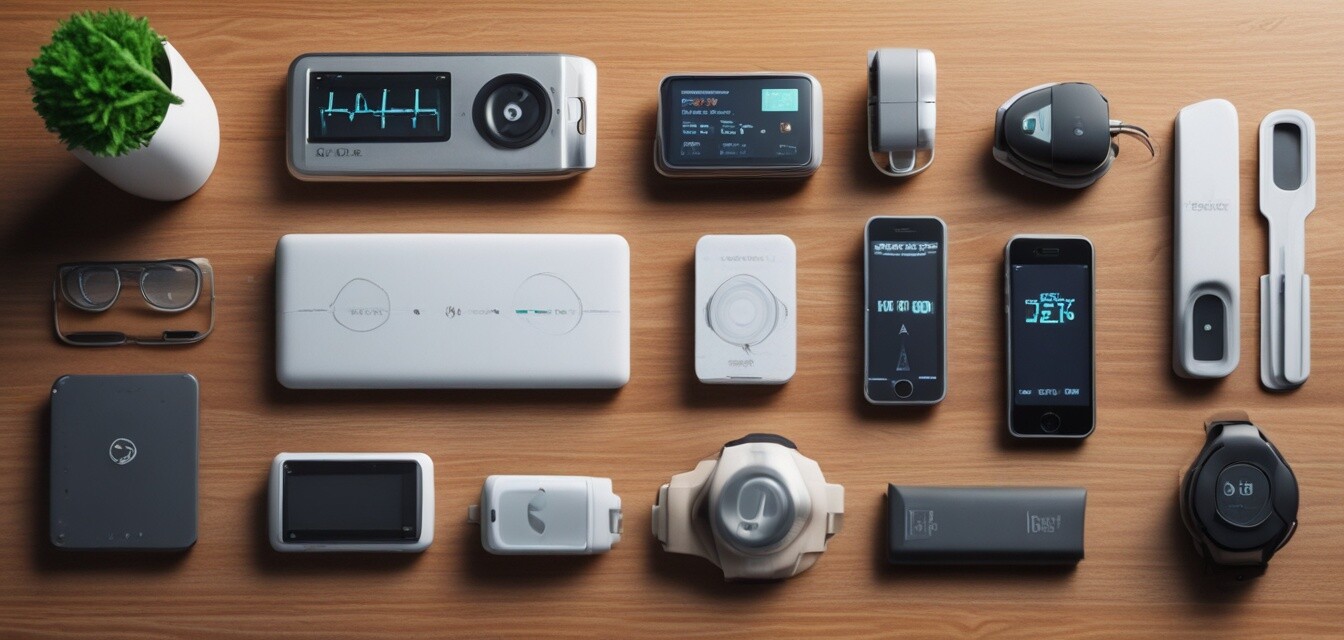
As we age, embracing technology can enhance our daily lives significantly. Smart home integration tailored for seniors offers simplified solutions that promote safety and convenience. From controlling lighting to managing household appliances, understanding how to utilize these technologies can make a remarkable difference in a senior's lifestyle.
Key Takeaways
- Smart home technology enhances safety and convenience for seniors.
- Voice-activated devices are user-friendly and improve accessibility.
- Integration systems can monitor home environments remotely.
- Customizable settings cater to individual needs and preferences.
What is Smart Home Integration?
Smart home integration involves connecting various household devices through a common network, allowing them to work together seamlessly. This technology not only automates everyday tasks but also provides insights and control over different aspects of home living.
Benefits of Smart Home Technology for Seniors
| Benefit | Description |
|---|---|
| Enhanced Safety | Smart devices can alert caregivers and family members to emergencies. |
| Improved Independence | Seniors can manage daily activities without relying on others. |
| Energy Efficiency | Smart technology can reduce energy consumption and utility costs. |
| User-Friendly Interfaces | Many devices are designed with seniors in mind, featuring simple controls. |
Essential Smart Home Devices for Seniors
Here’s a list of must-have smart home devices that cater specifically to the needs of seniors:
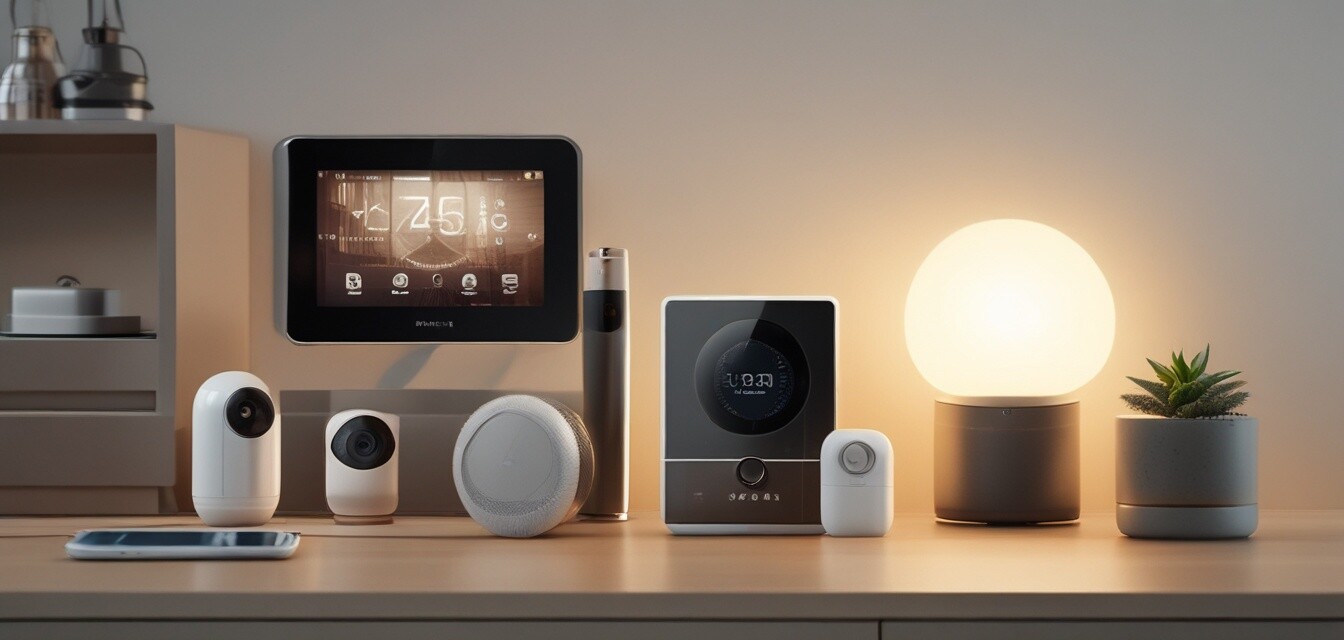
- Smart Speakers: Devices like Amazon Echo or Google Home allow voice control over various smart home systems.
- Smart Light Bulbs: Adjustable lighting can enhance visibility and safety around the home.
- Smart Thermostats: These devices help manage home temperature efficiently, ensuring comfort.
- Smart Doorbells: Enhanced security features and video monitoring keep seniors safe.
- Smart Plugs: Control any device remotely, which allows seniors to manage appliances easily.
Integrating Smart Home Systems
To establish an effective smart home system, it’s crucial to consider compatibility among devices. Here are key steps for integrating smart technology:
- **Assess Needs**: Identify which areas of the home need improvement through technology.
- **Choose Compatible Devices**: Select devices that work well together through a unified app or platform.
- **Ease of Use**: Ensure that the technology is user-friendly for seniors, with clear interfaces.
- **Set Up Automation**: Program devices to operate automatically based on schedules or preferences.
- **Regular Updates**: Maintain and update devices to ensure ongoing functionality and security.
Tips for Getting Started
- Start with one or two devices to avoid overwhelming the user.
- Involve family members in the setup process for support.
- Regularly check to ensure devices are functioning correctly.
- Provide training or resources to help seniors understand their new gadgets.
Challenges of Smart Home Integration for Seniors
While smart home integration offers numerous benefits, it’s important to recognize the potential challenges:
Pros
- Increased safety and independence for seniors.
- Convenience in managing daily tasks.
- Remote monitoring options for caregivers.
Cons
- Initial setup may require assistance from family or tech-savvy friends.
- Technology can be daunting; there may be a learning curve.
- Potential costs associated with purchasing devices and subscriptions.
Future of Smart Living for Seniors
The advancement of technology is likely to continue improving the quality of life for seniors. With smart home integration set to grow, we can expect increased accessibility, affordability, and innovations designed specifically for a senior audience.
Conclusion
Smart home integration represents a significant step forward in enhancing daily living for seniors. It promises to make homes safer and more comfortable, fostering independence while maintaining a connection with family caregivers. By understanding this technology and choosing compatible devices, seniors can enjoy a modernized lifestyle with ease.
Explore More About Smart Living Solutions
For more details on products that can enhance home living for seniors, check out our other articles:
- Bathroom Safety Solutions
- Comfort Items for Seniors
- Home Organization Tips
- Essential Kitchen Tools
- Lifestyle Gadgets for Ease