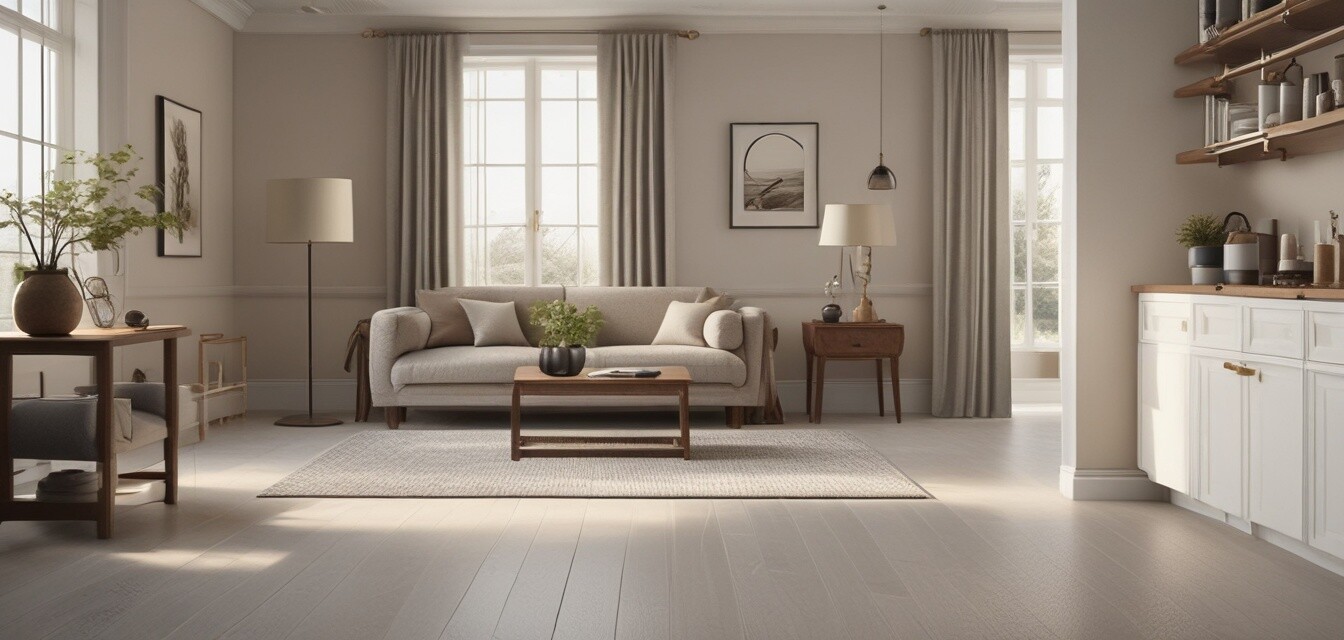
Tips for Creating a More Accessible Home for Seniors
Key Takeaways
- Assess the home environment for potential hazards and inconveniences.
- Incorporate mobility aids to enhance movement throughout the home.
- Make use of bathroom safety equipment for added security.
- Organize living spaces for easier navigation.
- Invest in comfort items to support daily living activities.
Creating a home that is accessible for seniors is vital to ensuring their safety and comfort. As we age, mobility and daily tasks may present new challenges, making it essential to adapt the living environment. Below are some practical tips to help you modify your home to increase accessibility and comfort for seniors.
Assessing the Home Environment
The first step in making a home accessible is to identify areas that may pose challenges. This involves an assessment of common problem areas that require changes or installations. Consider the following:
| Area | Considerations |
|---|---|
| Entryway | Ensure there's a clear path with no obstacles or steps. |
| Lounge Space | Choose furniture that is easy to access and comfortable. |
| Kitchen | Organize supplies within easy reach to prevent bending or stretching. |
| Bathroom | Consider adding grab bars and non-slip mats. |
Incorporating Mobility Aids
Adding mobility aids throughout the house can significantly enhance the safety and convenience for seniors. Here are some useful devices to consider:
- Walking frames or Rollators to assist with movement.
- Canes with non-slip tips for better grip.
- Recliners that help with seating and standing up.
- Stairlifts for multi-level homes.
Bathroom Safety Equipment
The bathroom can be hazardous without proper safety precautions. Here are some essential items to consider:
Pros
- Enhanced safety with grab bars.
- Non-slip mats reduce the risk of falls.
- Shower chairs allow for comfortable bathing.
- Raised toilet seats make sitting and standing easier.
Cons
- Some equipment might require professional installation.
- Cost of safety products can add up.
Organizing Living Spaces
Clutter can make navigation difficult. It's essential to maintain an organized environment:
- Remove unnecessary items from floors and walkways.
- Utilize storage solutions like baskets and labeled containers.
- Keep frequently used items at arm's reach.
- Ensure lighting is adequate and install night lights in hallways.
Investing in Comfort Items
Comfort is a key element in enhancing everyday senior living. Here’s what to consider:
| Comfort Item | Benefits |
|---|---|
| Orthopedic seating | Reduces strain on joints and muscles. |
| Supportive pillows | Helps maintain proper posture. |
| Weighted blankets | Provides a sense of security and warmth. |
Conclusion
Making a home accessible for seniors involves thoughtful planning and modification. By assessing the home environment, incorporating mobility aids, ensuring bathroom safety, organizing living spaces, and investing in comfort items, you can create a supportive and functional space for seniors.
For more related articles and tips, check out our Lifestyle Tips category, or explore our buying guides on purchasing necessary items for your home.